
Understanding the Core Differences of APP Phase II vs Phase I
Ammonium Polyphosphate (APP) is widely recognized as a highly effective, halogen-free, and environmentally friendly flame retardant. By operating through a solid-phase intumescent mechanism, APP contributes significantly to the fire protection of polymers, coatings, and textiles. However, when selecting the appropriate compound, chemical engineers and formulators must choose between two distinct crystal forms: APP Phase I and APP Phase II.
The distinction between these two phases is not merely academic; it fundamentally dictates the physical properties, processing limits, and environmental durability of the final flame-retardant system. As a leading ammonium polyphosphate phase ii supplier, we recognize the critical importance of matching the correct crystalline structure to your specific formulations. Whether you require a cost-effective solution for temporary applications or a highly durable, water-resistant flame retardant APP for outdoor coatings, understanding these differences is paramount.
Key Technical Takeaways
- Polymerization Degree: Phase I features a lower degree of polymerization (n = 100 to 200), whereas Phase II exhibits a high degree of polymerization (n > 1000).
- Water Solubility: Phase I is highly soluble in water, making it unsuitable for wet environments. Phase II features extremely low water solubility (≤0.5 g/100ml), ensuring excellent washability.
- Thermal Stability: Phase II has a higher decomposition temperature (T95% ≥ 305°C) than Phase I, allowing it to withstand high-temperature plastic processing.
Detailed Comparison: Molecular Structure & Water Solubility
A deep chemical dive into how crystal structures affect performance metrics
Ammonium Polyphosphate Phase I (APP I)
APP Phase I consists of short, linear chains of polyphosphoric acid ammonium salts. The polymerization degree is relatively low, typically ranging between 100 and 200 units. Because the molecular chain is short and primarily linear, the end groups are highly active, and the overall structure is more susceptible to water molecule penetration.
This results in a higher water solubility (typically < 1.5% at 25°C) and a lower decomposition temperature. It is highly cost-effective but limited to applications where exposure to moisture is minimized.
Ammonium Polyphosphate Phase II (APP II)
APP Phase II features a highly cross-linked, branched, and three-dimensional macromolecular structure. The degree of polymerization is significantly higher, exceeding 1000 units. This dense crystalline structure restricts the mobility of the polymer chains and blocks the entry of water molecules.
Consequently, APP Phase II exhibits extremely low water solubility (≤0.5g/100ml at 25°C) and outstanding thermal stability, making it the premier choice for outdoor and high-durability applications.
| Property Parameter | Ammonium Polyphosphate Phase I (e.g., TF-101) | Ammonium Polyphosphate Phase II (e.g., TF-201) |
|---|---|---|
| Chemical Structure | Linear, short-chain ammonium polyphosphate | Cross-linked, branched macromolecular crystal |
| Degree of Polymerization (n) | Low (100 - 200) | High (≥ 1000) |
| Water Solubility (25°C, g/100ml) | < 1.5% (High solubility in aqueous systems) | ≤ 0.5% (Extremely low water solubility) |
| Thermal Stability (Decomposition) | Lower (Starts decomposing around 220°C) | Higher (T95% ≥ 305°C, stable up to 275°C) |
| pH Value (10% suspension) | 6.5 - 8.5 (Neutral) | 5.5 - 7.5 (Slightly acidic to neutral) |
| Acid Value (mg KOH/g) | Higher due to short chains | ≤ 1.0 (Low acid value, non-corrosive) |
| Cost Profile | Highly cost-effective | Premium performance option |
Why APP Phase II Excels in Coatings & Textiles
The chemical mechanisms behind superior washability, weatherability, and stability
Superior Water Washability
In outdoor fireproof coatings and textile back-coatings, exposure to rain, humidity, or laundry cycles is inevitable. Standard APP Phase I tends to leach out of the matrix when exposed to moisture, rendering the coating flammable over time. Water-resistant flame retardant APP Phase II remains locked within the polymer matrix, providing lifetime flame retardancy.
Intumescent Char Mechanism
When exposed to fire, APP Phase II decomposes to form polyphosphoric acid, which acts as an acid source reacting with carbon sources (like pentaerythritol) and blowing agents (like melamine). Because of its high polymerization degree, APP Phase II forms a much denser, more stable, and highly insulating carbonaceous foam (char layer) compared to Phase I.
Processing Thermal Stability
Polymer processing (such as polypropylene extrusion or polyurethane foaming) often requires temperatures exceeding 200°C. APP Phase I undergoes early decomposition at these temperatures, causing bubbles and degrading the polymer. APP Phase II, with stability up to 275°C, survives the extrusion process without altering the polymer's mechanical properties.
"The selection of APP Phase II vs Phase I is the single most critical factor determining whether an intumescent coating passes rigorous weatherability tests (such as ASTM D2898 rain testing) or fails prematurely due to leaching of the active flame retardant ingredients."
Featured Product: China Ammonium Polyphosphate (Model: APP TF-201)
High-Performance Halogen-Free Flame Retardant APP Phase II
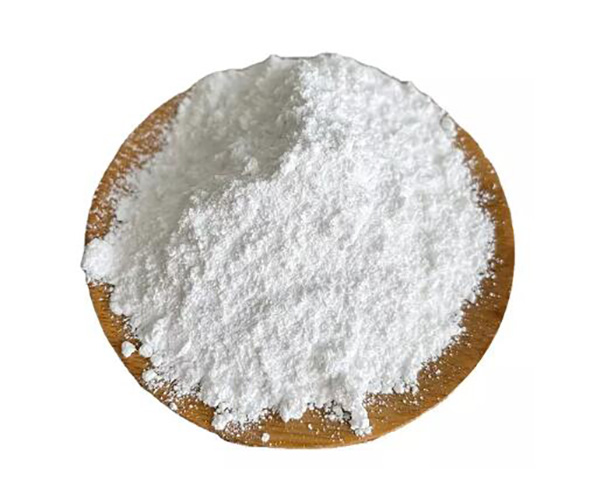 Model: APP TF-201 (Uncoated Phase II)
TF-201: Halogen-Free Environmentally Friendly Flame Retardant
Ammonium polyphosphate flame retardant APP uncoated for fireproof coating is a halogen-free, high-molecular-weight crystalline Phase II flame retardant. It features exceptionally low water solubility, extremely low aqueous solution viscosity, and a very low acid value, making it perfectly suited for demanding industrial coatings and polymers.
Key Advantages & Features:
- Low water solubility, preventing leaching and migration in humid outdoor environments.
- Good thermal stability, migration resistance, and precipitation resistance.
- Small particle size (D50: 14-18 µm), ideal for high-end coatings, sealants, and textile backings.


| TF-201 Technical Specifications | |
|---|---|
| Appearance | White powder |
| P content (w/w) | ≥ 31% |
| N content (w/w) | ≥ 14% |
| Degree of polymerization | ≥ 1000 |
| Moisture (w/w) | ≤ 0.3% |
| Solubility (25℃, g/100ml) | ≤ 0.5 |
| PH value (10% aqueous suspension, at 25ºC) | 5.5 - 7.5 |
| Viscosity (10% aqueous suspension, at 25ºC) | < 10 mPa·s |
| Particle size (µm) | D50: 14-18 µm | D100 < 80 µm |
| Whiteness | ≥ 85 |
| Decomposition temperature | T99% ≥ 240℃ | T95% ≥ 305℃ |
| Acid value (mg KOH/g) | ≤ 1.0 |
| Bulk density (g/cm³) | 0.7 - 0.9 |
| TF-201 Stability Test in Water (30℃, 15 Days) | |
|---|---|
| Appearance | Viscosity slightly increased |
| Solubility (25℃, g/100ml water) | 0.46 |
| Viscosity (cp, 10% aq, at 25℃) | < 200 |
Featured Product: Wholesale Ammonium Polyphosphate Phase I (Model: TF-101)
Cost-Effective Halogen-Free Flame Retardant APP Phase I
 Model: APP TF-101 (Phase I)
TF-101: Lower Polymerization Degree Flame Retardant
TF-101 is an Ammonium Polyphosphate Phase I flame retardant designed specifically for applications where high water resistance is not mandatory. It features a neutral pH value, excellent compatibility with other flame retardants and fillers, high P-N content, and a cost-effective performance profile.
Key Advantages & Features:
- Highly cost-effective compared to crystalline Phase II ammonium polyphosphate.
- Perfect as an acid source in temporary or indoor intumescent coatings.
- Biodegradable into natural phosphorus and nitrogen nutrients over time.
| TF-101 Technical Specifications | |
|---|---|
| Appearance | White powder |
| P Content (w/w) | ≥ 29.5% |
| N Content (w/w) | ≥ 13% |
| Solubility (10% aq., at 25ºC) | < 1.5% |
| pH value (10% aq., at 25ºC) | 6.5 - 8.5 |
| Moisture (w/w) | < 0.3% |
| Viscosity (10% aq., at 25ºC) | < 50 mPa·s |
| Average Particle size (D50) | 15 - 25 µm |
Technical Selection Guide: APP Phase I vs. Phase II
How to choose the right crystal phase based on your specific application requirements
Water-Based & Intumescent Coatings
For outdoor or high-humidity coatings, APP Phase II (TF-201) is mandatory due to its excellent water washing resistance. For indoor temporary coatings, wood, or paper flame retardancy, APP Phase I (TF-101) offers a cost-effective alternative that still delivers high phosphorus-nitrogen synergy.
Plastics & Polymer Formulations
Thermoplastics like Polypropylene (PP), Polyethylene (PE), and polyurethane foams require processing temperatures above 200°C. APP Phase II is highly recommended here, as its decomposition temperature is above 300°C, ensuring no gas release or polymer degradation during extrusion and molding.
Textile Coating Applications
Textiles require soft hand-feel and regular washing durability. APP Phase II provides long-lasting fire protection that resists laundry cycles. APP Phase I can be used for disposable or non-washable technical textiles, providing an economical flame barrier.
Formulation Tip: When formulating intumescent coatings, combining APP Phase II with melamine and pentaerythritol in a 3:1:1 ratio yields the highest expansion ratio and the most stable char structure.
Our Custom Service Process
Partnering with a trusted ammonium polyphosphate phase ii supplier for tailormade solutions
Requirement Analysis
Communicate with our technical center to specify performance requirements, application limits, and environmental exposure metrics.
Feasibility Assessment
Our engineers evaluate the feasibility, requesting specific details regarding raw materials, base polymers, and processing methods.
R&D Planning
The technical center clarifies the research and development cycle, establishing clear milestones for sample preparation.
Sample Verification
We provide custom samples for performance verification, testing compatibility, expansion ratio, and water washability.
Pilot Testing
After successful sample verification, we supply small batches for industrial pilot testing in your production facility.
Batch Supply
Upon passing the pilot test, we formulate the technical standards and begin full-scale commercial batch supply.
Continuous Improvement
If testing reveals areas for optimization, our technical center will refine the formulation (e.g., surface treatment or particle size adjustment) until it fully meets your requirements.
Related Products
Related Applications


About Taifeng Flame Retardant
By using a sound small business credit, excellent after-sales provider and modern producing facilities, now we have earned an exceptional track record between our clients across the whole world for China Ammonium Polyphosphate Manufacturers and Ammonium Polyphosphate APP. After years of development, we have formed strong ability in new product development and strict quality control system to ensure excellent quality and service. With the support of many long term cooperated customers, our products are welcomed all over the world.
To get more information about us as well as see all our products and solutions, you should visit our website. To get more information please feel free to let us know. Thank you very much and wish your business always be great! Visit our China Halogen-Free Flame Retardant category pages for detailed catalog specifications.
Submit Your Inquiry
Get in touch with our technical sales team for pricing, customized formulations, and free samples.


